
 Xiaojun
 2026-10-12
Torque is one of the most common causes of self-drilling screw failure on jobsites worldwide. Too little torque, and the washer won't seal—water and vibration will loosen the joint. Too much, and the thread strips or the head snaps off.
Torque is not about tightening as hard as possible. It is about creating the right preload to hold the joint without damaging the screw. Self-drilling screws make this harder. The drill point needs high speed to cut through steel, but once it penetrates, torque must drop quickly to avoid over-tightening. For carbon steel screws on steel substrate, we recommend around 5–8 N·m for ST4.8 and 8–11 N·m for ST5.5. On aluminium, reduce to roughly one third. For 410 stainless, stay slightly higher but never exceed 15 N·m. 304 stainless needs 15–20% less.
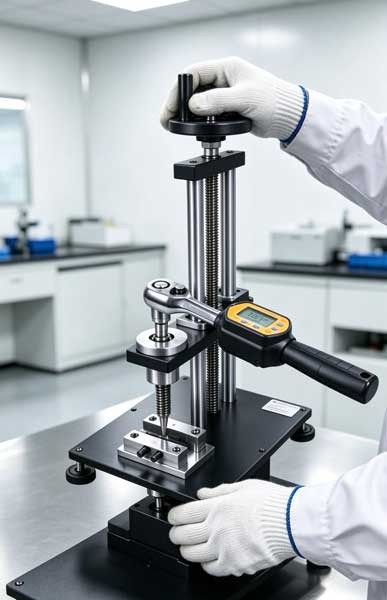
The tool matters too. Impact drivers can deliver 110–650 N·m—far beyond what any self-drilling screw can handle. Use a clutch screw gun limited to 30 N·m, run at 1500–2000 RPM for drilling, then slow to under 800 RPM for final tightening.
In hot, humid or coastal climates, wrong torque does not just strip threads. It can cause delayed failure: micro-cracks from over-torque let moisture in, and screws break months later. In cold or high-vibration applications, under-torque leads to loosening and fatigue.
As a factory, we do not just supply screws. Every order can come with recommended torque and RPM settings based on your substrate and panel thickness. Free samples and technical support are available.
Contact us to get your installation parameters right the first time.
© 2026 Handan Xiaojun Fastener Manufacturing Co.,Ltd


 2026-10-12
 Xiaojun Catalogue 2025


