
 Xiaojun
 2026-10-12
Every Screw Has a Story: How Our MES System Protects Your Orders
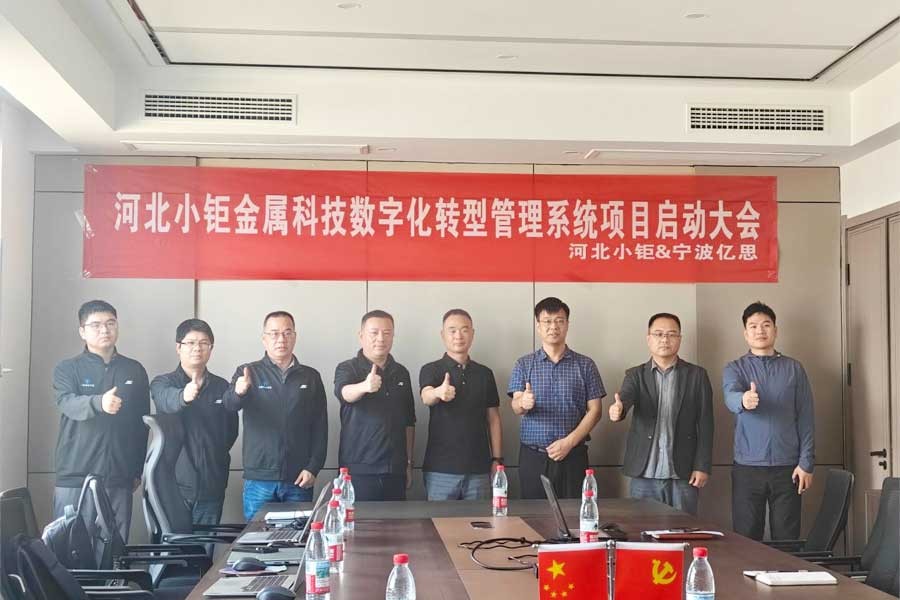
When you order screws, what do you really want to know? Will the quality be consistent? Can the factory trace the raw material if something goes wrong? Will the delivery date hold? These are the questions that separate a reliable supplier from an ordinary one. To answer them with confidence, we have implemented a Manufacturing Execution System (MES) across our production lines.
MES stands for Manufacturing Execution System. It is the shop-floor layer between ERP and production equipment. While ERP manages orders and resources, MES manages what actually happens on the machines: work orders, material batches, process parameters, operator actions, inspection results and packing records. In short, it turns production into real-time, verifiable data.
What does this mean for you as a screw buyer?
1. Full Traceability from Wire Rod to Carton
Every batch of screws can be linked to its raw material heat number, wire rod supplier, cold heading machine, thread rolling line, heat treatment batch, coating batch, inspection record and final carton label. If a question arises, we can identify the exact production history in minutes—not days. This is true batch genealogy, not a manual logbook.
2. More Consistent Quality
MES enforces standardized work orders and records in-process checks such as dimensions, hardness, torque and salt spray results. When a parameter drifts, the system helps us detect it early and contain it before it reaches your order. This reduces mixed batches, human error and repeat defects.
3. Better Delivery Visibility
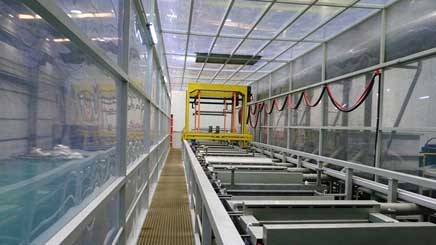
Production progress is visible at every stage: cold heading, thread rolling, heat treatment, plating, sorting, inspection and packing. When you request an update, we can tell you exactly where your order stands, not just give a general estimate. This makes lead times more predictable and communication more professional.
4. Easier Audits and Stronger Compliance
ISO 9001, IATF 16949, PPAP and customer audits require complete, organized records. With MES, production and quality data are captured systematically. We can provide traceability reports, inspection records and batch history faster and more reliably.
5. Faster Problem Solving
If a customer complaint occurs, we can trace the affected batch, review process data and identify the root cause quickly. That means faster containment, clearer corrective actions and fewer future risks.
For a screw factory, MES is not just about machines. It is about controlling the process and proving it. Each batch has a digital record. Each carton can carry a traceable label. Each order can be verified with real data.
When you buy from us, you are not just buying screws. You are buying a factory that can show you how they were made.
If you are evaluating a fastener supplier, ask one question: can you show me the batch record? We can. Contact us for a traceability sample or to schedule a factory audit.
© 2026 Handan Xiaojun Fastener Manufacturing Co.,Ltd


 2026-10-12
 Xiaojun Catalogue 2025


